About
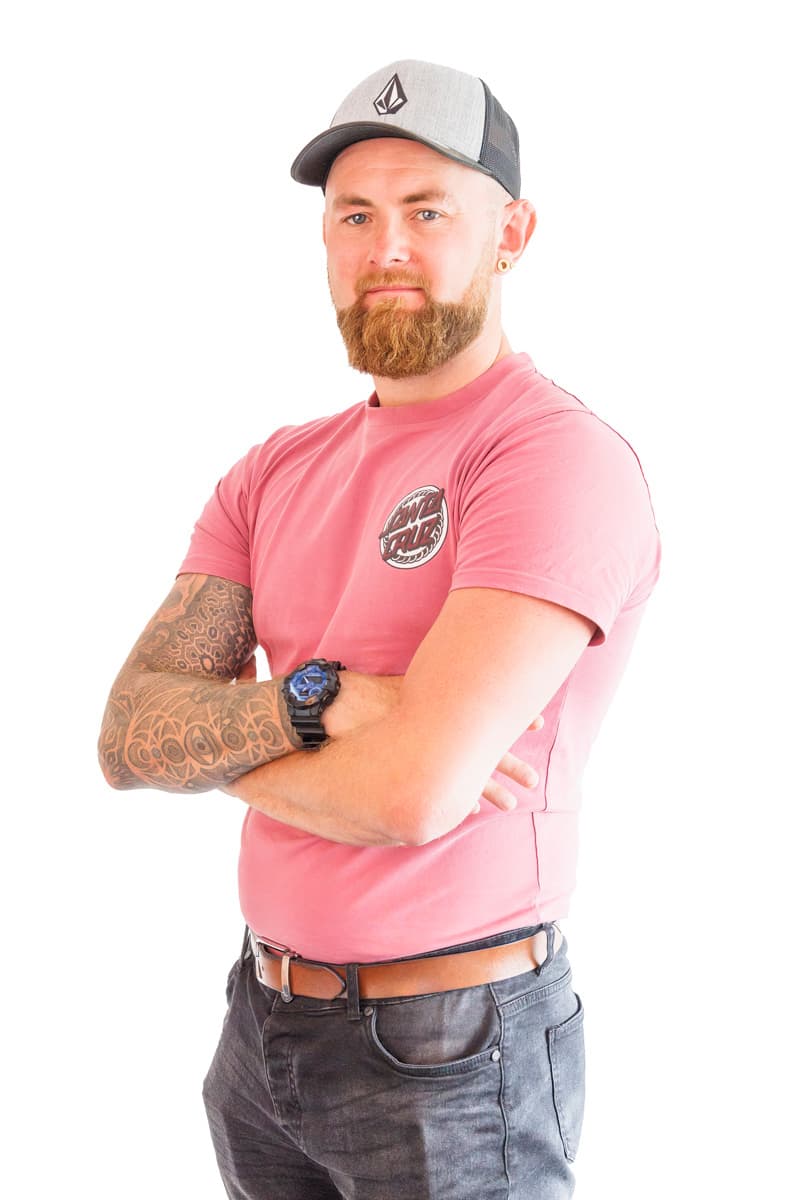
Faction AI is Max Bryden.
One person. A point of view on AI. Three years of systems running in production for UK SMEs. No army of juniors, no offshore team, no deck theatre.
Why Faction AI exists
Shiny demos. Or AI that actually runs a business.
I'm Max. I started Faction AI in Dorset in 2023 because I'd spent years watching small businesses drown in admin that didn't need to exist, while "AI agencies" quoted them six figures for systems that fell over at week six.
My bet was simple: there's a gap between shiny AI demos and AI that actually runs a business. Most SMEs don't need more tools. They need someone who'll map their ops, ship the right automation, and stick around when it breaks.
That's what Faction AI does. Every system we put live gets monitored, tuned, and improved, because AI without an owner is a time bomb, and most of our clients have been stung by that before.
The point of view
Three opinions I'll happily defend.
Boring automations beat clever agents nine times out of ten.
The win for most SMEs isn't an autonomous AI that runs the business. It's 3-5 reliable automations that remove the work nobody wants to do. Start there. Then go bigger.
You should own your AI systems. Not rent them.
Too many AI "solutions" lock you into someone else's platform. When they change their pricing or shut down, you're stuck. Every system we build, prompts, code, integrations, is yours on final payment.
A real person in the UK beats an offshore team every time.
AI is strategic infrastructure now. You don't want a ticket-queue relationship with the people building it. You want someone on WhatsApp, a 45-minute train ride away, who actually understands your business.
How I got here
Thirteen years engineering physical things. Now I engineer intelligent ones.
Before Faction AI I spent thirteen years as a manufacturing engineer, designing parts, solving production problems, and unpicking processes that had quietly calcified over decades. Problem-solving is genuinely how I'm wired.
The jump to AI wasn't a pivot; it was the same instinct applied to a different medium. When Midjourney opened its beta in 2022, I was one of the first handful of people let in. Early invite. I'd been watching what was coming, and I was early to everything that mattered after, GPT-3.5 the day it shipped, Claude 2 on release, Sora when it leaked.
What changed my trajectory wasn't the toys. It was realising the problem-solving muscle I'd built in factories mapped perfectly onto AI systems design. Same discipline: understand the process, find the bottleneck, remove it, measure, iterate. Just a different kind of machine.
How I work
Directly. With receipts.
Most client work happens in a shared Slack or Telegram, with a shared Drive folder and a running log of what's shipped. You'll always know what I'm building, why, and when it'll be live.
I travel to clients in London, Manchester, and the south coast when it matters, kick-offs, quarterly reviews, anything complex. Everything else runs remote.
Off the clock
Based in Dorset. Fishing when I can.
Home is on the south coast, near Chesil Beach. When I'm not building, I'm usually fishing or in the French Alps with a snowboard. Both hobbies require a lot of patience, which probably explains the automation obsession.
Let's talk
If the way I work sounds useful, book a call.
30 minutes. Free. No slides. We map your ops, flag the highest-ROI automations, and tell you what it'd take to ship.